Visible impact
The overhead cables and old poles disappear, and the townscape becomes tidy.

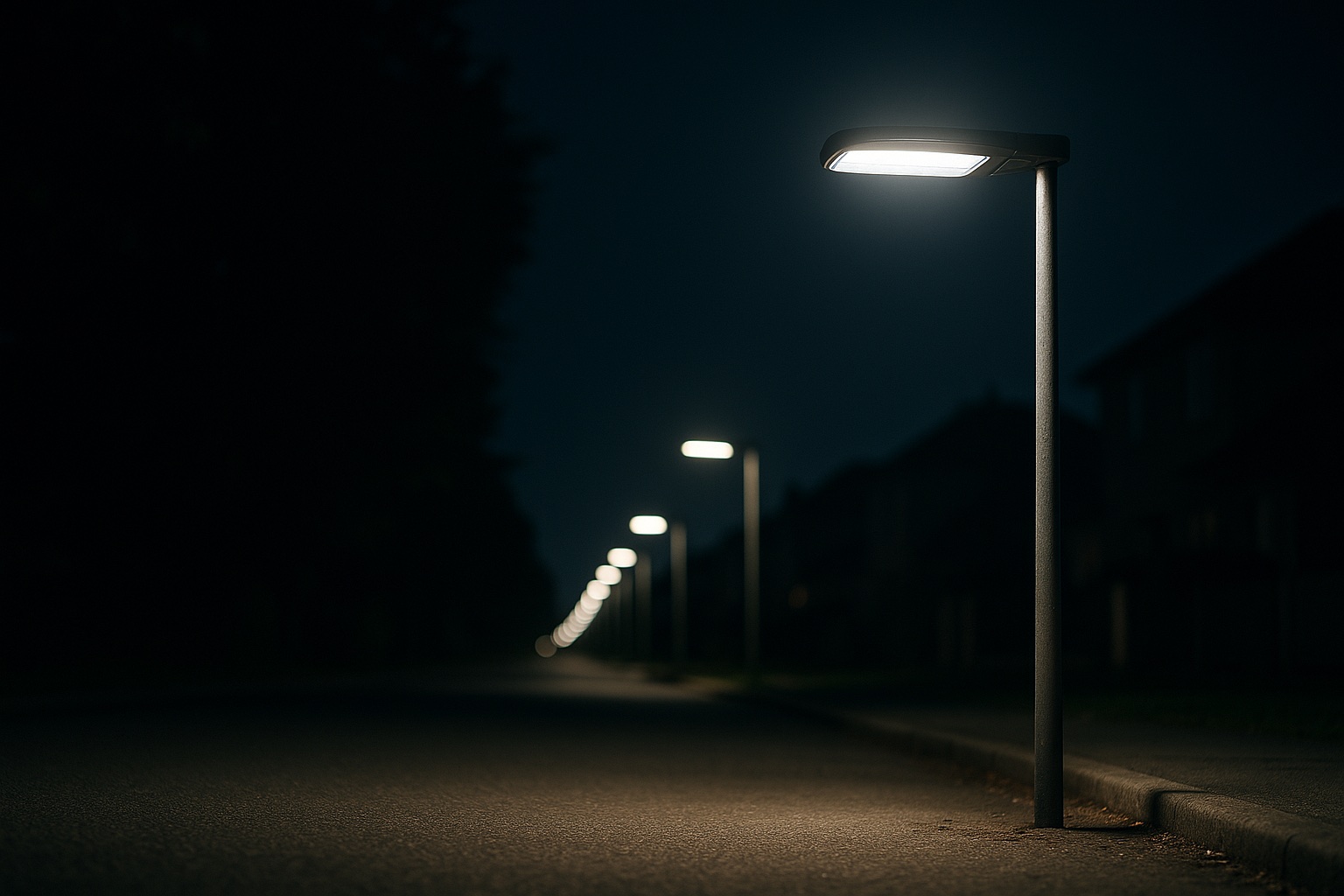
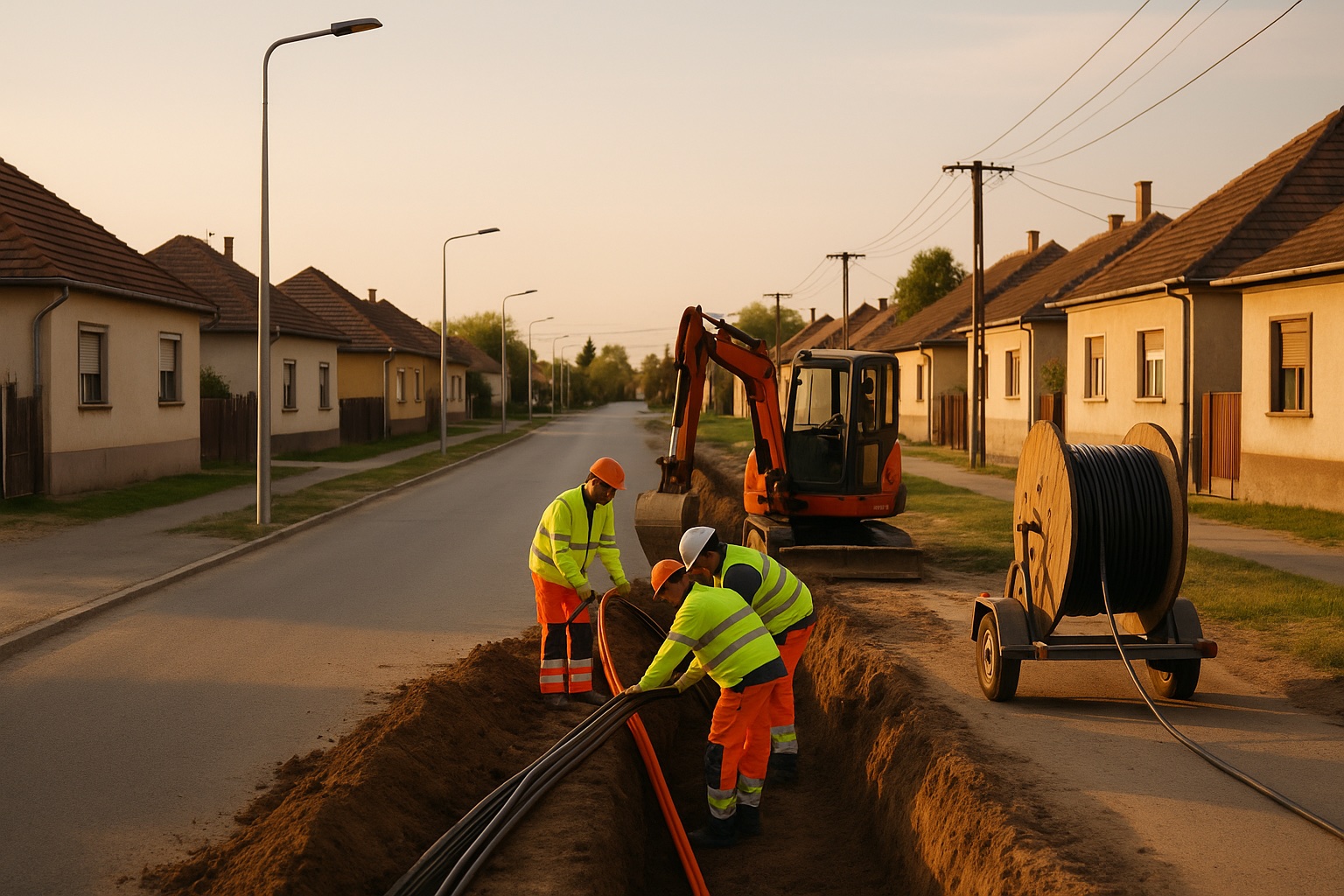
We replace outdated cables with new underground cables in protective ducting, and the old concrete and wooden poles with modern lamp posts.
We experience this every day:
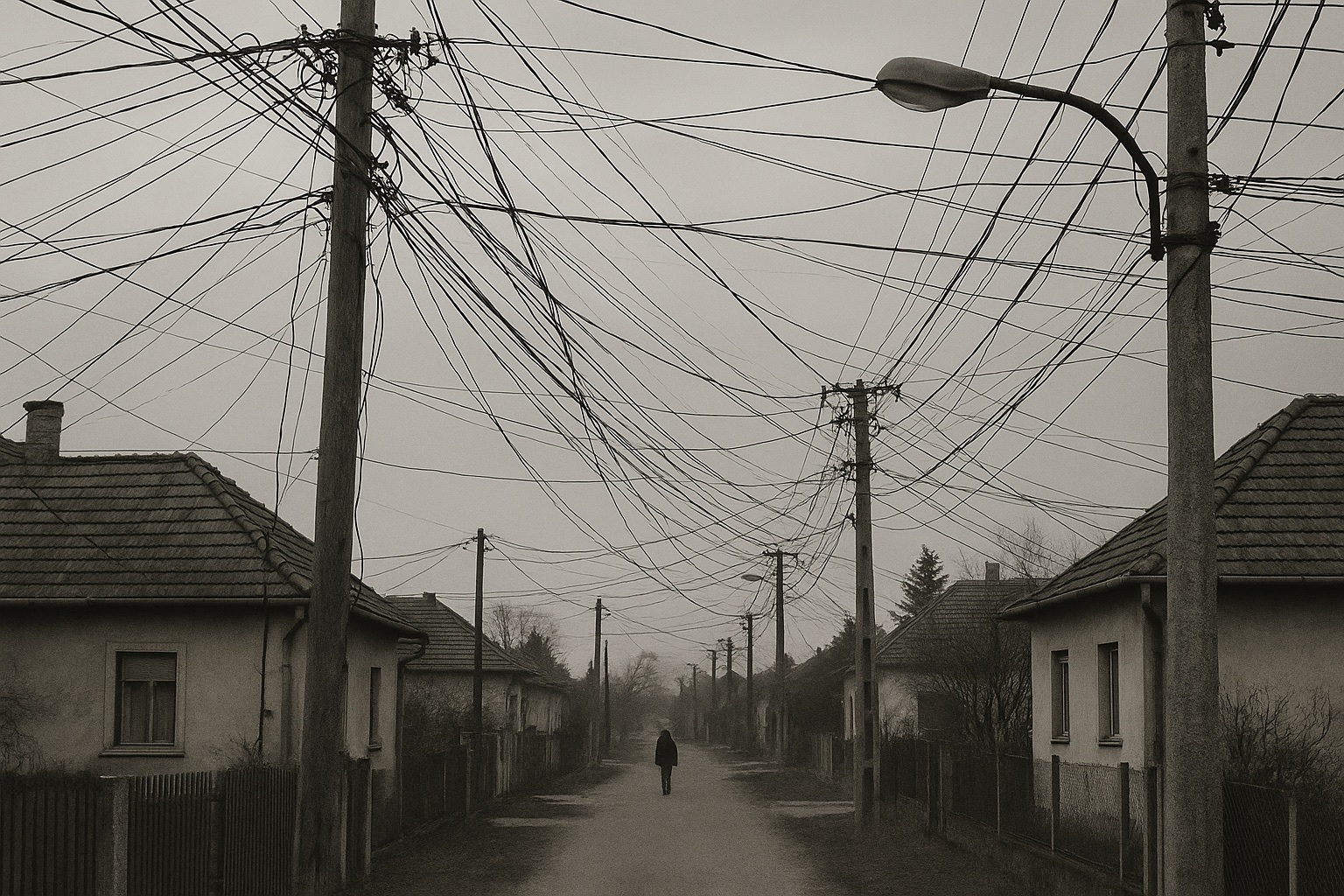
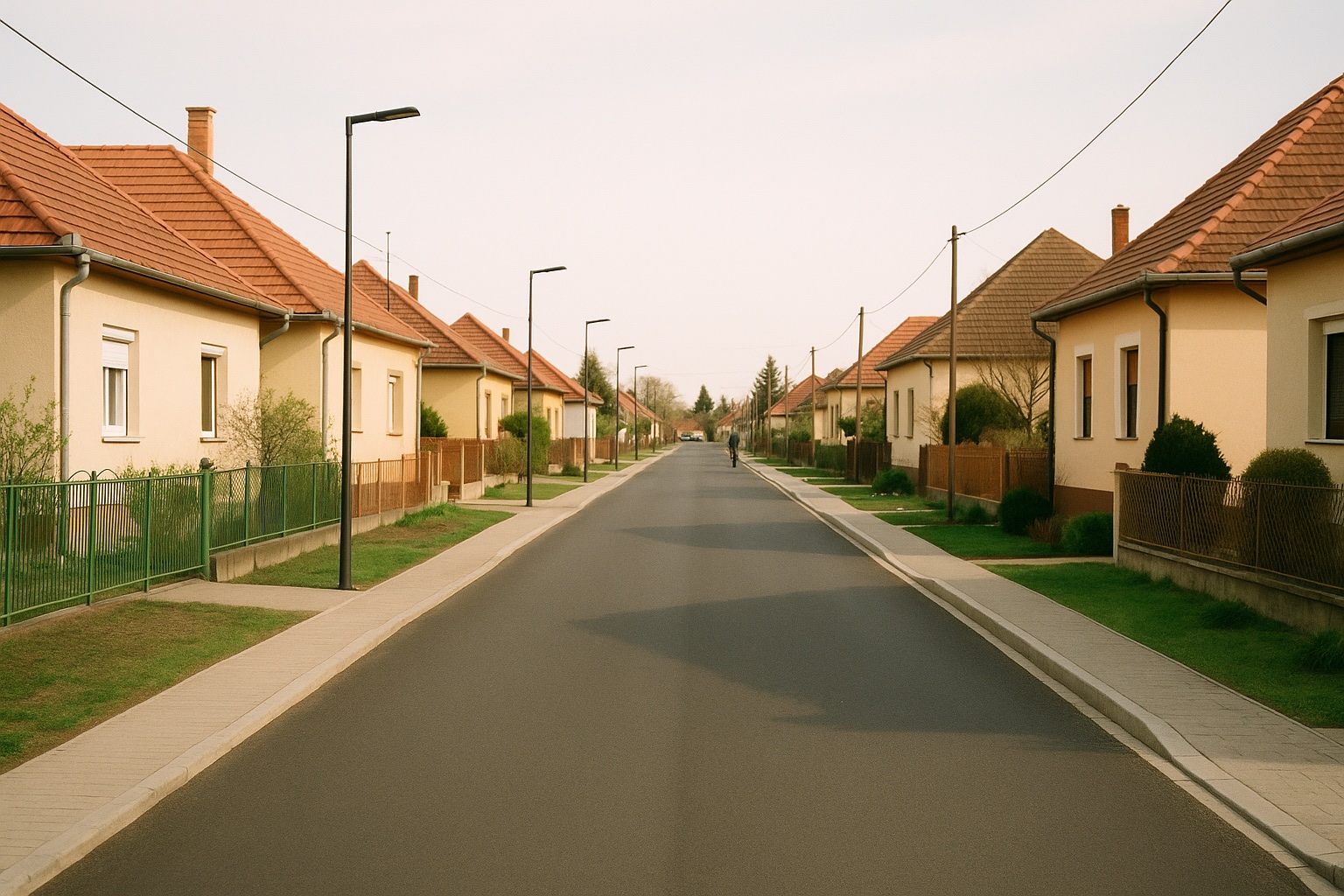
The overhead cables and old poles disappear, and the townscape becomes tidy.
Once the investment is completed, power and internet outages are significantly reduced.
Underground cables mean birds are not electrocuted, and trees no longer need to be cut back because of the wires.
With no municipal funding, no risk, and a sound technical basis.
Featured project
A joint network reconstruction across municipalities: overhead lines go underground in protective ducting, and old poles give way to modern lamp posts. It is financed through a concession model with EU funding, with no municipal funds.
The project has its own site for investors and partners.
Concession model
The network reconstruction is financed not by the municipality but by the concessionaire selected through public procurement, drawing on EU funding.
Several municipalities together reach the scale required for EU funding and capital.
For the use of public land for cable ducting; the winning concessionaire bears the entire financing risk.
The concession coordinator has already been selected, so a municipality only needs to join. The winning bidder also pays the financial advisors' fees.
Underground cable in protective ducting, new lamp posts, to the technical standard also required by the distribution licensee.
Why now?
Power, public lighting, telephone, cable TV and camera systems all on one pole.
Extreme weather hits overhead cables first.
The EU recommends underground cable networks for climate-resilient infrastructure.
A modern network can accommodate local solar power generation.
Fewer faults, faster repairs, better service.
It also increases tourism appeal and property value.
Frequently asked questions
The investment and the acquisition of EU funding are carried out and financed by the concessionaire, including compensation for the current network owner; the municipality grants the right to use public land.
A concession tender, issued jointly by the municipalities, decides. The winning bidder bears the financing risk.
We remove them. The cables go underground in protective ducting, and the luminaires are placed on new lamp posts.
Yes, through an accession agreement. The required scale is provided by the alliance already in place.
Send us the seven data points; the review is free of charge. From seven data points, we prepare your municipality's own figures.